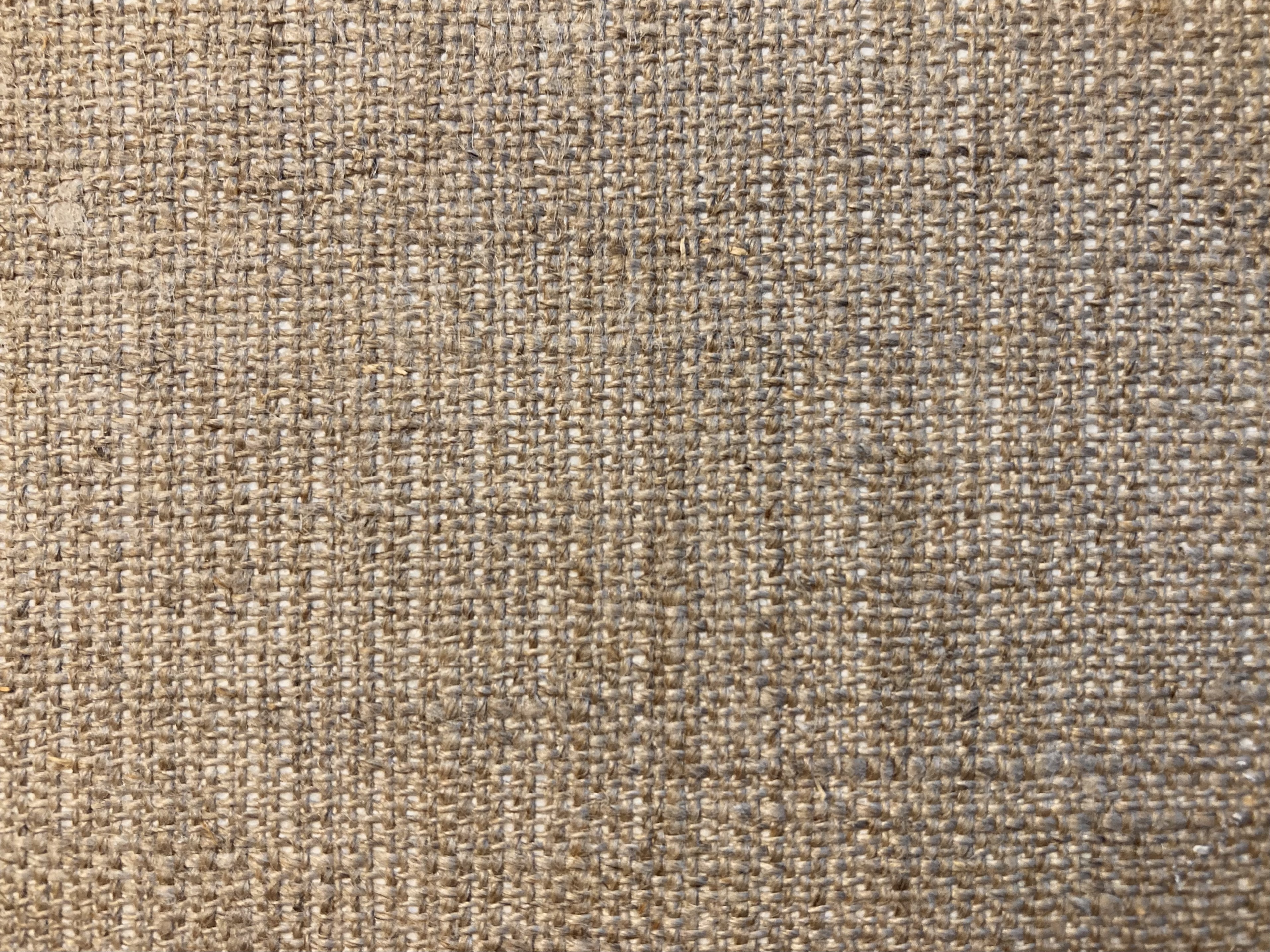
Linen — woven from the fibres of the flax plant (Linum usitatissimum) — has been used for bed textiles across Europe for at least three thousand years. The fibre's durability, moisture management, and thermoregulatory properties are well-documented. What is less often explained is how production choices during spinning, weaving, and finishing alter those properties enough to make two products with the same label feel entirely different.
Understanding Fibre Quality Before Weave
Linen quality begins with the length and uniformity of the flax fibre, called the line fibre. Long-staple line fibre produces smoother, stronger yarns that wear well. Shorter, more irregular tow fibre is cheaper to process but results in a rougher handle and reduced durability. Both types appear in retail linen products, sometimes in the same item when manufacturers blend them to reduce cost.
The country of origin stated on a label typically refers to where weaving occurred, not where flax was grown or retted. Belgian, French, and Dutch flax are widely referenced as quality benchmarks because the soil and climate of those regions favour longer fibre growth, but processing quality still varies between mills regardless of origin.
What GSM Weight Means for Bedding
Grams per square metre (GSM) is the most useful single number when comparing linen bedding fabrics, though it is not always disclosed. Linen bedding typically falls between 140 GSM and 210 GSM. Lower weights (140–170 GSM) are lighter and cooler, suitable for warmer months. Higher weights (185–210 GSM) offer more structure and warmth, behaving closer to a woven blanket than a sheet in feel.
A single duvet cover can conceal a significant range — a 155 GSM cover and a 190 GSM cover will look identical on a product page unless weight is explicitly stated. The difference is noticeable in hand when held, and becomes apparent in durability over two to three years of regular washing.
Weave Structure and Its Effect on Handle
Most linen bedding uses one of three weave structures:
- Plain weave — each weft thread passes over and under each warp thread alternately. Produces a firm, structured fabric that softens progressively with washing. Generally the most durable.
- Twill weave — threads cross at a diagonal, producing the characteristic diagonal rib. Linen twill feels drapey and smooth from early use, and is often chosen for duvet covers because it lies flat without bulk.
- Waffle weave (honeycomb) — a textured weave with a three-dimensional surface. Increases surface area and therefore moisture absorption, commonly used in waffle throws and lightweight blankets rather than flat sheets.
Plain weave linen may feel rough to the touch when new. This is normal. The fibres contain pectin and natural waxes that wash out over repeated launderings; the fabric softens noticeably after three to five washes and continues to improve for the first two years of use. Twill weave linen feels noticeably softer from the outset but does not transform in the same way over time.
Finishing Methods and Their Trade-offs
Stonewashing and enzyme-washing are the two primary pre-softening treatments applied before sale. Stonewashing physically abrades the fabric, removing some surface fibres and creating an immediate soft, lived-in feel. Enzyme washing uses biological enzymes to achieve a similar result with less physical damage to the yarn structure. Enzyme-washed linen typically retains more of its long-term durability than heavily stonewashed fabric, though the initial handle may be slightly less dramatically soft.
Raw (un-washed) linen is sold by some specialist suppliers. It begins stiffer and requires the owner to launder it several times before reaching a comfortable feel, but it has the longest lifespan of any finishing type because no fibre degradation has occurred before purchase.
Colour Fastness and Natural Dye Considerations
Undyed or naturally dyed linen bedding has grown in availability alongside interest in low-impact textiles. Reactive dyes — standard in most commercial linen production — fix well to linen and maintain colour reliably. Natural dyes (plant-derived, mineral-mordanted) tend to fade more noticeably with UV exposure and repeated hot washing. If naturally dyed linen is washed at lower temperatures (30°C or below) and kept from extended sunlight when drying, fade rates reduce considerably.
The natural flax colour — referred to as greige or ecru — requires no dye at all and is the most stable option for colour longevity. It also reflects the undyed fibre's natural variation, which means slight tonal differences across a set are expected and not a defect.
Care and Long-Term Maintenance
Linen tolerates washing at 40°C without significant shrinkage if the fabric was pre-washed before sale (most European retail linen is). Initial washing of raw linen at 60°C causes controlled shrinkage of around 5–7%; subsequent washes at lower temperatures produce little additional change. Tumble drying on low heat is acceptable for most linen, though line drying preserves weave structure better over the long term.
Ironing linen while slightly damp produces a smooth result. Unironed linen develops natural creases — considered characteristic of the material rather than a deficiency. Many users find that after several washes, the fabric's natural crease behaviour becomes consistent and acceptable without ironing.
Sources and Further Reading
Technical information in this article draws on fibre properties documented by the Cotton Council International (for comparative textile data), and the European Commission textile sector guidelines. Weave structure definitions follow the standard classification used by the Textile Institute.

