Natural Textiles for the Home
Practical information about linen, cotton, and wool home textiles, handwoven rugs, curtain fabrics, and natural décor — written for readers in Poland.
What This Resource Covers
Natural fibres and how they perform in everyday use
Each category below focuses on the practical characteristics of materials — how they are made, what the specifications mean, and how they behave over time.
Linen Bedding
GSM weight, weave structure, and finishing methods — what each specification means for comfort, durability, and long-term care of linen bed textiles.
Read the guide →Handwoven Rugs
The differences between hand-knotted, hand-tufted, and flat-weave construction — and why those differences matter for domestic performance over 10 or 20 years.
Read the guide →Natural Curtain Fabrics
Wool, linen, and cotton compared for light control, thermal performance, and UV resistance — with notes on lining types and heading choices.
Read the guide →Linen: From Flax Field to Finished Textile
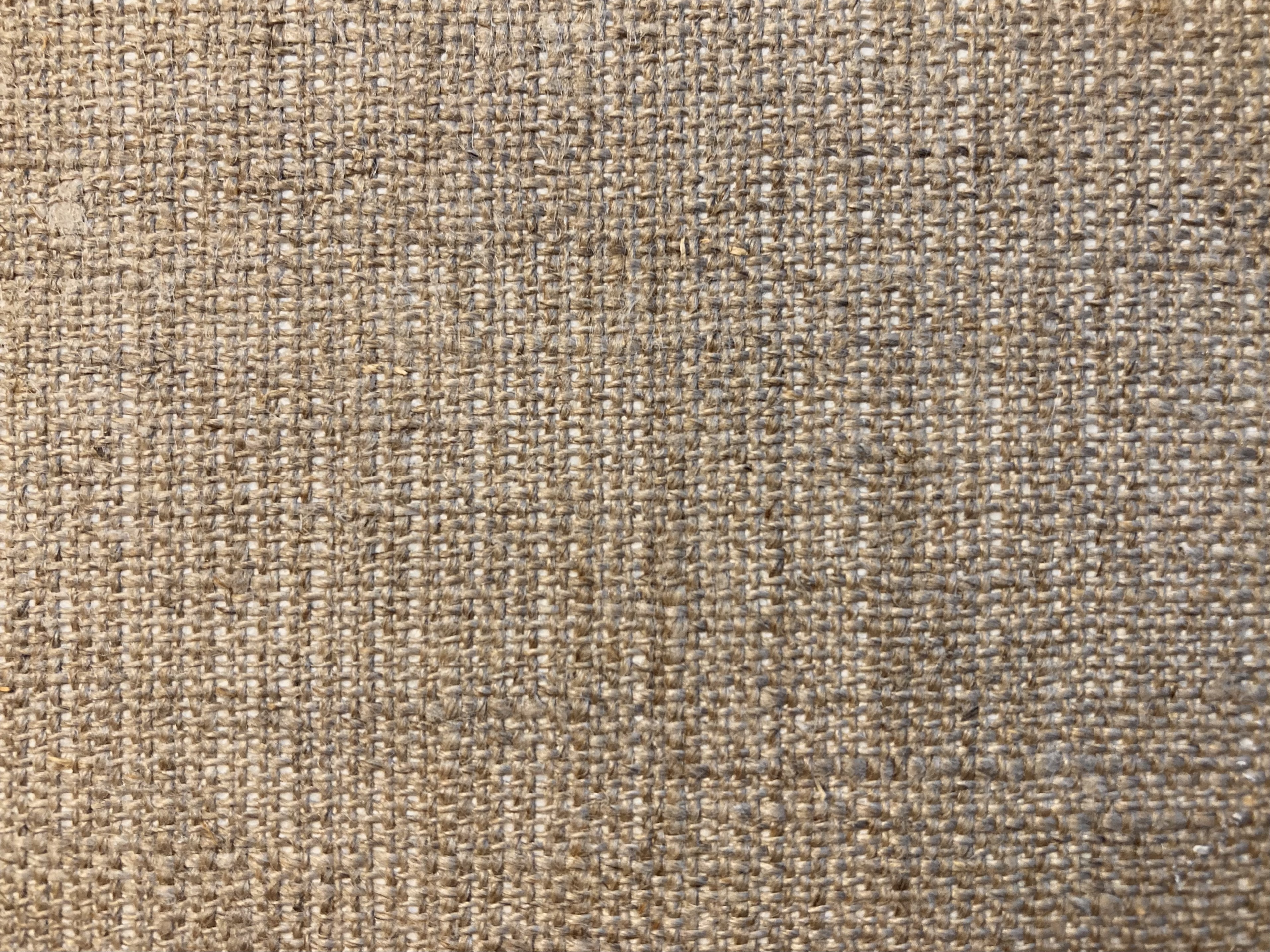
The quality of a linen fabric is determined before it reaches a loom. Flax retting method, fibre length, and spinning approach all influence the handle, durability, and washing behaviour of the finished cloth.
Belgian, French, and Dutch flax are often cited as quality benchmarks, but fibre quality ultimately depends on the growing conditions of a specific harvest and the care of the mill that processes it. Understanding the production chain helps in assessing what a label actually indicates.
More on linen construction →
Guides
Recent articles
Informational overviews covering natural textile selection, care, and context.
How to Choose Linen Bedding: Weave, Weight, and Long-Term Value
A practical guide to selecting linen bedding based on thread structure, GSM weight, and finishing methods.
Read the guide →
Handwoven Rugs: Construction Methods, Regional Traditions, and Durability
Understanding flat-weave, hand-knotted, and hand-tufted construction — and why those differences matter.
Read the guide →
Wool Curtains and Natural Window Treatments: Fabric, Weight, and Thermal Performance
How fabric weight, lining choices, and fibre type affect light control, insulation, and durability.
Read the guide →Further Context
Why natural fibres in the home
Wool
Naturally flame-resistant, moisture-regulating, and durable. Wool textiles — from rugs to blankets — have documented lifespans of 50 years or more when maintained correctly. The fibre's elasticity means it recovers from compression, unlike most synthetic alternatives.
Linen
Among the strongest natural cellulose fibres, linen becomes more supple with each wash. Its thermoregulatory properties make it a practical choice for bedding in both summer and winter, and the fibre's natural variation means no two pieces are identical.
Cotton
The most widely produced natural fibre globally, cotton's range of weave structures — from voile to canvas — gives it versatility across multiple home textile applications. Its care requirements are the most familiar, making it practical for everyday use.
Get in Touch
For editorial questions, corrections, or general correspondence about natural home textiles.